
Interior lighting is one of the most underestimated elements of home design, and one of the most impactful when it’s done well. Most homeowners live with the lighting their builder installed, which is almost always the cheapest option that met code rather than a considered design choice. The result is spaces that feel flat, institutional, or just vaguely wrong without the occupant being able to identify why. Good interior lighting defines its atmosphere, makes it feel larger or more intimate, and changes how every other design element reads. The improvements that produce the most dramatic results often require no rewiring, no contractor, and no major investment.
The Interior Lighting Principles That Change Every Room
Understanding a few foundational lighting principles produces better results than any single product upgrade. Layering is the principle professional designers apply to every well-lit space. A room lit by a single overhead fixture produces flat, shadowless light that reads as institutional regardless of how well the rest of the room is designed. Layered interior lighting combines ambient light for general illumination, task light for specific functions like reading or cooking, and accent light that highlights architectural features or artwork. The combination at different heights and intensities produces depth, warmth, and the quality that makes a space feel considered. Color temperature is the interior lighting variable that most directly affects how a space feels. Warm white, produces the cozy, residential quality most people prefer in living spaces and bedrooms. Cool white suits kitchens and workspaces. Mixing color temperatures between adjacent spaces creates visual inconsistency that registers as jarring. Staying within a consistent range across all fixtures produces effortless cohesion.
Dimming capability transforms interior lighting from a static element into one that adapts to how a space is being used. A dining room that shifts from bright and functional to dim and intimate is more versatile than one locked at a single level. Installing dimmer switches on existing fixtures is one of the highest-return lighting upgrades available at the lowest cost.
Fixture Upgrades That Elevate Lighting Throughout the Home
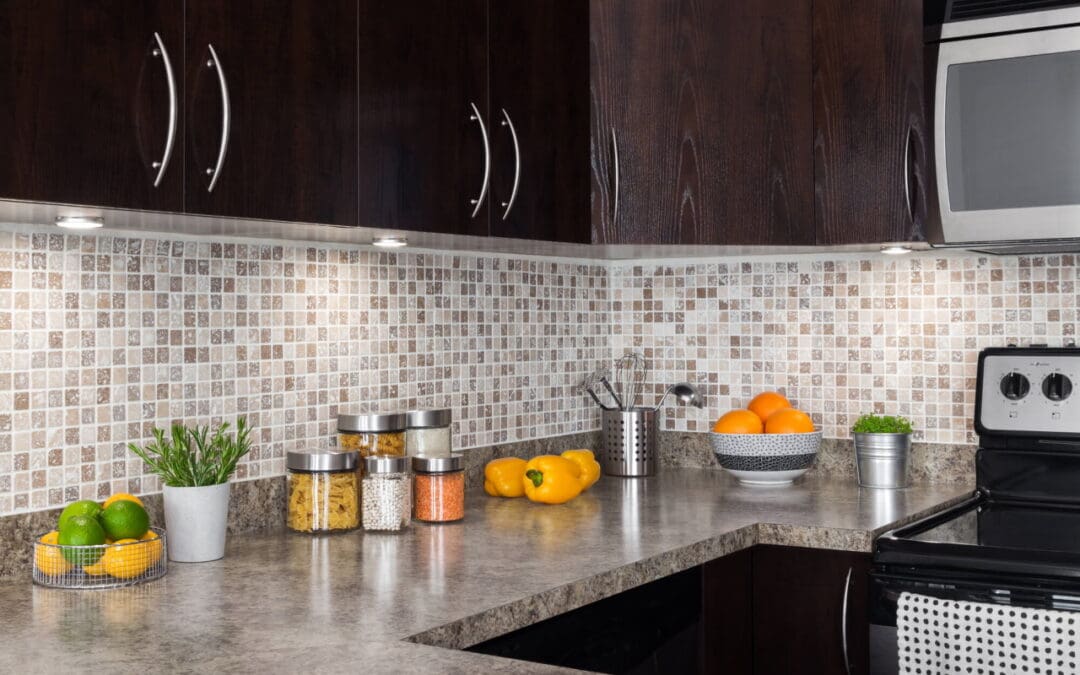
Ceiling fixtures are the highest-priority replacement in most homes. The standard builder flush-mount, a shallow dome that casts flat, downward light, is the lighting choice that most consistently limits a room’s potential. Replacing it with a pendant, semi-flush fixture, or appropriately sized chandelier changes the room’s visual center and introduces shadow and dimension that flat fixtures eliminate. In a room with eight-foot ceilings, a fixture dropping even twelve to eighteen inches creates presence without overwhelming the space. Under-cabinet lighting in the kitchen is the interior lighting addition producing the most concentrated daily benefit. Counter surfaces used for food preparation are almost always in shadow from the upper cabinets above; the most active work zone in the kitchen is also the least well-lit. LED strip lights installed on the underside of upper cabinets eliminate this shadow, improve task visibility, and create the warm ambient glow that makes kitchen spaces feel finished and inviting.
The Interior Lighting Changes That Cost Almost Nothing
Replacing incandescent or CFL bulbs with LED equivalents at the correct color temperature is the interior lighting improvement most homeowners haven’t completed fully. LED bulbs at 2700K in living spaces, 3000K in kitchens and bathrooms, and consistent wattage across multi-bulb fixtures produce warm, even light that the same fixture with mixed or incorrect bulbs doesn’t. A lamp repositioned to wash a wall with light, or a floor lamp added to a dark corner, changes the room’s perceived warmth without any purchase beyond the lamp itself.
Frequently Asked Questions (FAQs)
How do I know what size chandelier or pendant to choose for a room?
Add the room’s length and width in feet; the result in inches is the approximate appropriate fixture diameter. For a 12 by 14 foot room, a 26-inch fixture is proportionate. For fixtures over a dining table, aim for half to two-thirds the table width. A rough height guide: one inch of drop per foot of ceiling height.
Can I install a dimmer switch myself or does it require an electrician?
Most dimmer installations are within DIY capability: turn off the breaker, remove the existing switch, and connect the dimmer’s wires. The critical check is compatibility between the dimmer and the bulbs; a mismatch produces flickering or humming. Check both the dimmer’s compatible bulb list and the bulb’s compatible dimmer list before purchasing.
Why does my room still feel dark even though I have enough light fixtures?
The most common cause is light in the wrong locations. Overhead fixtures that illuminate the ceiling but leave walls and corners in shadow. Adding table and floor lamps that direct light at wall surfaces fills those shadow zones. Dark wall colors absorb significantly more light than light ones and require substantially more output to feel equally bright.
What is the difference between recessed lighting and surface-mounted fixtures?
Recessed interior lighting sits flush with the ceiling, producing downward light without visual bulk. Its limitation is pools of downward light rather than ambient fill; a room lit entirely with recessed fixtures can feel like a showroom. Surface-mounted fixtures and pendants add visual interest and distribute light more diffusely. The most versatile approach combines both.
Best Choice Inspections offers home inspection services in Knoxville, TN, and the surrounding area. Contact us to schedule an appointment.