
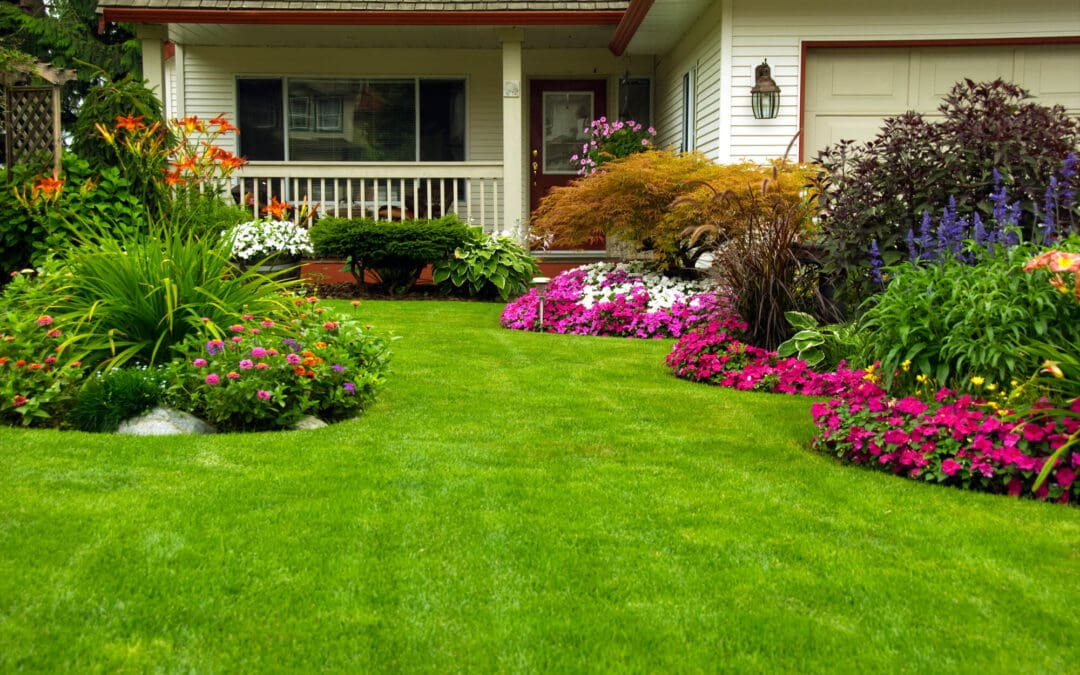
Creating a beautiful outdoor space is the result of thoughtful planning and smart decisions. Whether working with a small backyard or a sprawling front lawn, effective landscape design can transform any space into a functional, inviting, and visually appealing extension of the home. With the right approach, homeowners can boost curb appeal, increase property value, and create an outdoor environment that suits their lifestyle.
Start with a Clear Landscape Design Plan
Before planting a single flower or laying down stone, it’s important to develop a clear plan. Good landscape design begins with understanding the space, including sunlight exposure, soil condition, drainage, and existing features. Measuring the area and sketching a rough layout helps visualize how different elements will fit together. Think about how the outdoor space will be used. Some homeowners prioritize entertainment areas, while others want a peaceful garden retreat. Defining the purpose early helps guide decisions throughout the design process and prevents costly changes later.
Balance Functionality and Aesthetics
A successful outdoor space blends beauty with practicality. While it’s tempting to focus on visual appeal, functionality is just as important. Pathways should be easy to navigate, seating areas should be comfortable, and plants should be placed where they can thrive. For example, placing shade trees near seating areas can improve comfort, while selecting low-maintenance plants reduces long-term upkeep. A well-balanced design ensures the space looks good and works well for everyday use.
Choose Plants That Suit Your Climate
Selecting the right plants is one of the most critical aspects of landscape design. Native and climate-appropriate plants tend to require less water, fertilizer, and maintenance. They are also more resistant to pests and diseases. Layering plants by height and texture creates visual interest. Combining ground covers, shrubs, and taller plants adds depth and dimension. Seasonal variety will also keep the landscape looking fresh throughout the year.
Incorporate Hardscape Elements
Hardscaping refers to the non-living elements of landscape design, such as patios, walkways, retaining walls, and decks. These features provide structure and define different areas within the yard. Materials like stone, brick, and wood can complement the home’s architecture and create a cohesive look. Hardscape elements also improve usability by providing stable surfaces for walking and gathering.
Focus on Lighting in Your Landscape Design
Outdoor lighting plays a significant role in enhancing both safety and ambiance. Thoughtful landscape design lighting highlights key features such as trees, pathways, and architectural details while ensuring visibility after dark. Soft, warm lighting creates a welcoming atmosphere, while strategically placed lights improve security. Solar-powered options are a popular and energy-efficient choice for many homeowners.
Maintain Consistency in Landscape Design Style
Consistency is key when it comes to creating a polished outdoor space. Choosing a design style, whether modern, traditional, or natural, and sticking to it helps maintain visual harmony. This applies to plant selection, materials, colors, and even outdoor furniture. Mixing too many styles could make the space feel cluttered or disjointed. A cohesive approach ensures everything works together seamlessly.
Plan for Growth and Maintenance
One common mistake in landscape design is not considering how plants and features will evolve over time. Trees and shrubs grow, and what looks balanced today may become overcrowded in a few years. Spacing plants properly and planning for their mature size prevents future issues. It’s also important to consider maintenance requirements. Choosing low-maintenance options will save time and effort in the long run.
Use Color and Texture Strategically
Color and texture play a major role in creating an engaging landscape. Mixing different shades of green with pops of color from flowers will make the space feel vibrant and lively. Textures from foliage, stone, and wood add depth and prevent the design from feeling flat. Repeating certain colors or materials throughout the yard will tie everything together and create a unified look.
A well-executed landscape design can completely transform a home’s outdoor space, making it more functional, attractive, and enjoyable. By planning carefully, choosing the right plants and materials, and maintaining a consistent style, homeowners can create a landscape that stands the test of time. With thoughtful decisions and a clear vision, any yard can become a beautiful extension of the home.
Frequently Asked Questions (FAQs)
How much does landscape design typically cost?
Costs vary widely depending on the size of the project, materials used, and complexity of the design. Simple updates may be affordable, while large-scale projects could require a significant investment.
Can I do landscape design myself or should I hire a professional?
Many homeowners can handle basic landscape design projects themselves. However, for complex layouts or large properties, hiring a professional ensures better results and saves time.
What are low-maintenance landscape ideas?
Using native plants, installing mulch, incorporating hardscaping, and choosing drought-resistant greenery are all effective ways to reduce maintenance.
How often should I update my landscape design?
Minor updates can be done seasonally, while major redesigns are typically done every few years or when the homeowner’s needs change.
Best Choice Inspections offers water testing in Knoxville, TN, and the surrounding area. Contact us to schedule an appointment.