Most homeowners want to save water but aren’t sure where to start or which changes actually move the needle. A combination of simple habit changes, inexpensive fixture upgrades, and smarter management of water-using systems in the home can reduce household consumption by 20 to 30 percent without any noticeable reduction in daily comfort or convenience.
The Biggest Opportunities to Save Water at Home
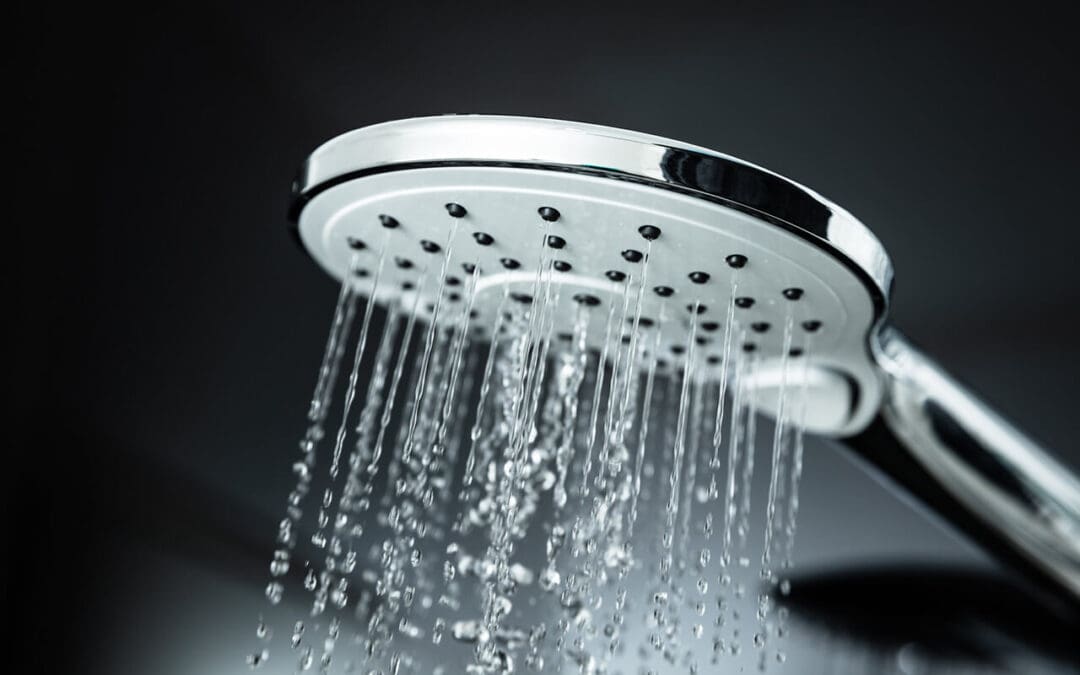
Water use in a typical home concentrates in a few predictable areas: bathrooms, kitchens, laundry, and outdoor irrigation. Understanding which uses the most water in your home gives you a framework for prioritizing where attention and investment will have the greatest impact. Toilets are the single largest indoor water user, accounting for nearly 30 percent of total indoor use. Older toilets use 3.5 to 7 gallons per flush. Modern WaterSense-certified toilets use 1.28 gallons per flush or less, meaning a household of four could save tens of thousands of gallons annually with a single replacement. A dual-flush conversion kit is a meaningful improvement at modest cost if full replacement isn’t in the budget. Showers are the second largest indoor water user. A standard showerhead flows at 2.5 gallons per minute; a WaterSense-certified low-flow model flows at 2.0 or less. Replacing a showerhead is a ten-minute project costing $15 to $50 that pays back within months. Shortening shower duration by two minutes produces equivalent savings and costs nothing.
Fixture and Appliance Upgrades That Save Water Consistently
Faucet aerators reduce flow rate without reducing perceived pressure by mixing air into the stream. Replacing standard aerators with low-flow versions is one of the lowest-cost, highest-return water conservation upgrades available, WaterSense-labeled faucets use no more than 1.5 gallons per minute compared to 2.2 for standard models. Dishwashers are more water-efficient than handwashing when run with full loads, a modern ENERGY STAR-certified dishwasher uses around 3 gallons per cycle, while handwashing the same load can use 15 to 27 gallons. Washing machines account for approximately 17 percent of indoor water use. Front-loading machines use significantly less water than older top-loaders, typically 13 to 25 gallons per load versus 30 to 40. An ENERGY STAR-certified front-loader or high-efficiency top-loader delivers both water and energy savings over the appliance’s lifetime.
Smarter Outdoor Habits That Make Every Gallon Go Further
Outdoor water use represents 30 percent or more of total household consumption for homes with irrigation systems. Irrigation timing is the simplest and most impactful outdoor change. Watering before 10 AM dramatically reduces evaporation loss compared to midday or evening watering, delivering more water to the root zone per gallon used. Smart irrigation controllers use local weather data and soil moisture sensors to determine when irrigation is actually needed rather than running on a fixed schedule regardless of rainfall. The EPA estimates smart controllers reduce outdoor water use by 15 percent or more on average and replace an existing timer without any other system modification. Mulching garden beds keeps moisture in the root zone longer and reduces irrigation frequency. Two to three inches of organic mulch could reduce outdoor water needs by 25 to 50 percent in planted areas at minimal cost.
Frequently Asked Questions (FAQs)
How much water can the average household save with simple changes?
The EPA estimates that WaterSense fixtures and ENERGY STAR appliances, combined with basic habit changes, can reduce household water use by 20 percent or more. The greatest single-source savings typically come from toilet replacement in homes with pre-1994 fixtures, which can reduce toilet water use by 60 percent or more.
Are low-flow fixtures noticeably different to use?
Modern low-flow fixtures have improved significantly from early generations. Current WaterSense-certified showerheads and faucet aerators maintain perceived pressure through improved nozzle design that aerates the flow, and most users find them indistinguishable from standard-flow fixtures. Low-flow toilets have similarly evolved, current models with pressure-assist or dual-flush mechanisms handle solid waste as effectively as high-volume predecessors. The perception that low-flow means low performance is largely outdated at current product quality levels.
What is the fastest payback water-saving upgrade?
Faucet aerators are the fastest payback upgrade, typically $5 to $15 per fixture and paying back within weeks or months of installation. Low-flow showerheads follow closely, with payback periods typically under a year. Toilet replacement has a longer payback period but produces the largest total annual savings volume.
Should I install a greywater system to save water?
Greywater systems, which capture and reuse water from sinks, showers, and laundry for irrigation, could meaningfully reduce outdoor water demand. Regulations vary significantly by state and municipality, ranging from straightforward permit processes to outright prohibition. Before pursuing a greywater system, confirm what your local jurisdiction allows and what installation requirements apply. In regions where reuse is permitted and outdoor irrigation demand is high, the investment can produce significant ongoing savings.
Do water-saving upgrades affect home value?
Water-efficient fixtures and systems are increasingly viewed favorably by buyers, particularly in regions where water costs are high. WaterSense fixtures, smart irrigation controllers, and ENERGY STAR appliances are features environmentally conscious buyers seek and that agents can market as genuine utility cost reducers. While these upgrades don’t typically command a direct premium above market value on their own, they contribute to the overall impression of a well-maintained, thoughtfully updated home.
Best Choice Inspections offers home inspection services in Knoxville, TN, and the surrounding area. Contact us to schedule an appointment.