
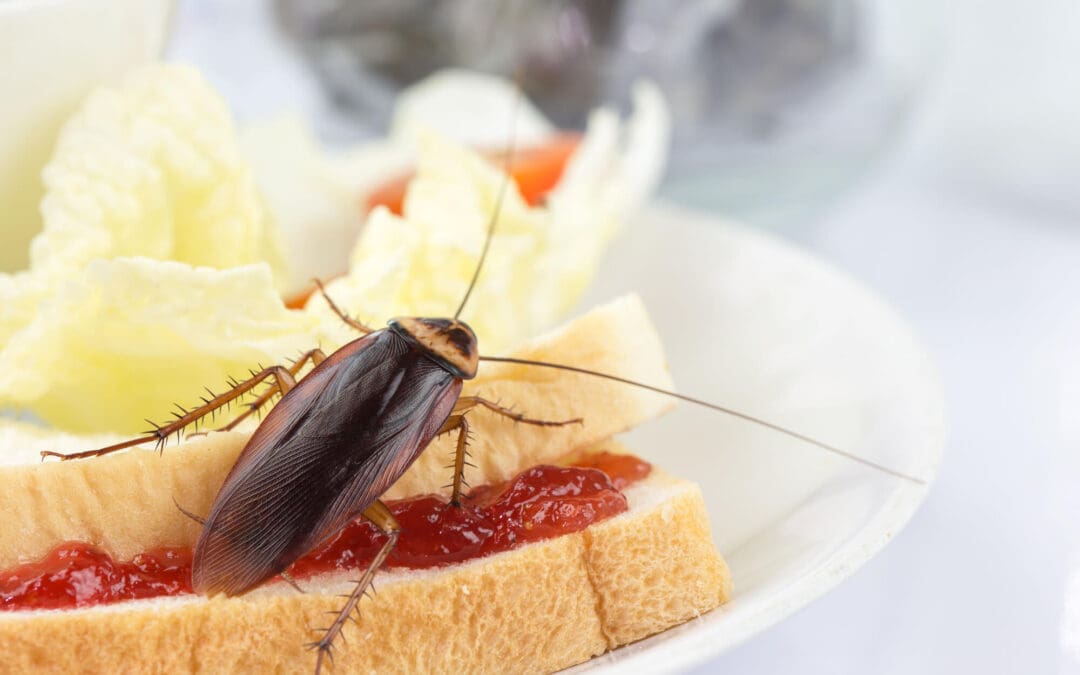
Pests are experts at staying out of sight. By the time most homeowners actually see one, an infestation is often already well underway. Knowing how to recognize the early signs of pests before a problem grows is one of the most valuable skills a homeowner can have. Catching pest activity early gives you the best chance of resolving it quickly, affordably, and with minimal damage to your home. From subtle clues in the kitchen to sounds in the walls at night, the warning signs are there, you just need to know what to look for.
What Droppings and Tracks Reveal About Pest Activity
One of the most reliable early signs of pests is the presence of droppings. Rodent droppings are small, dark, and pellet-shaped, typically found near food sources, along baseboards, or inside cabinets. Cockroach droppings resemble ground pepper and are commonly found in kitchen drawers, under appliances, and inside pantry cabinets. Some insects leave behind shed skins or egg casings that are equally telling. Identifying the type and location of droppings gives you important information about which pest you’re dealing with and where they’re most active.
Chewed Wires, Damaged Wood, and Other Signs of Pests
Rodents never stop chewing and gnaw marks on food packaging, baseboards, electrical wiring, and structural framing are all common signs of their activity. Fresh gnaw marks tend to be lighter in color than older ones, helping indicate whether activity is recent or ongoing. Carpenter ants and termites cause a different kind of damage, hollowing out wood rather than gnawing surfaces. Bubbling paint, hollow-sounding wood when tapped, and small piles of sawdust-like frass near wood structures are warning signs of wood-destroying insects that warrant immediate attention.
Signs of Pests in the Kitchen
The kitchen is where pest activity most commonly reveals itself first. Food, moisture, and warmth make it an ideal environment for insects and rodents alike. Chewed food packaging, grease smear marks along walls and baseboards, an unexplained musty odor, and small holes gnawed through pantry items are all signs of established pest activity near your food supply. Inspect behind and beneath appliances regularly. The dark, warm spaces behind refrigerators and stoves are among the most common spots where cockroaches and rodents go undetected.
What That Scratching in the Wall Is Really Trying to Tell You
Scratching, scurrying, or gnawing sounds inside walls or ceilings, particularly at night, are a strong indicator of rodent presence. Some infestations also produce distinct odors. A musty smell may indicate cockroaches, while a strong ammonia-like odor may suggest a significant rodent infestation. Bed bugs produce a faint, sweet, musty scent that becomes more noticeable as populations grow. Trusting your instincts when something smells or sounds off is often the first step toward identifying a hidden problem.
Nests and Entry Points You Overlook
Many pests build nests from shredded paper, fabric, insulation, or dried plant matter. Finding small nests in attics, basements, garages, or storage areas is a clear sign of pest activity. Equally telling are the entry points pests use to get inside, such as gaps around utility lines, cracks in the foundation, deteriorating weatherstripping, and holes gnawed through walls or cabinetry. Identifying and sealing these entry points addresses current activity and prevents new pests from following the same path inside.
Signs of Pests Are Worth Taking Seriously
It can be tempting to brush off a single dropping or a chewed cereal box as an isolated incident, but pest activity rarely stays isolated for long. Acting quickly at the first signs of pests gives you the best chance of resolving the problem before it escalates into a full infestation that is significantly harder and more expensive to eliminate. When in doubt, consulting a licensed pest control professional is always a worthwhile step.
Frequently Asked Questions (FAQs)
What are the most common signs of pests in a home?
Droppings, gnaw marks, unusual odors, sounds in walls at night, damaged pantry items, and visible nests or shed skins are the most common indicators. Finding any one of these warrants a closer inspection of the surrounding area.
How do I know if I have mice or rats?
Both leave droppings, gnaw marks, and grease smears, but the size differs. Rat droppings are significantly larger than mouse droppings, and gnaw marks tend to be more pronounced. A pest control professional can identify the species from the evidence present if you’re unsure.
What should I do if I find signs of pests in my home?
Identify the pest type based on droppings, damage, and location. For minor activity, targeted baiting and exclusion may be sufficient. For more significant infestations, consulting a licensed pest control professional is the most reliable path to a lasting solution.
Are some seasons worse for pest activity than others?
Pest activity increases in spring and summer when warmer temperatures accelerate reproduction. Fall often brings a second wave as rodents seek warm shelter before winter. Staying vigilant year-round rather than only during warmer months gives you the best chance of catching activity early.
Best Choice Inspections offers home inspection services in Knoxville, TN, and the surrounding area. Contact us to schedule an appointment.