Myths about mold are widespread, and they often cause homeowners to underestimate real risks or misunderstand how mold behaves inside a home. Because mold is not always visible and could grow quietly behind walls or under flooring, misinformation tends to fill the gaps. Understanding what is true and what is not helps homeowners respond appropriately, protect their property, and maintain a healthier living environment.
Why Myths About Mold Persist
Mold has been part of homes for as long as buildings have existed, yet it remains poorly understood. One reason myths about mold persist is that mold problems can appear differently in each home. Some people associate mold only with extreme cases, while others believe any sign of mold is automatically dangerous. Media headlines, internet advice, and word-of-mouth experiences often oversimplify a complex issue. Without accurate information, homeowners may delay action or take steps that do not actually address the underlying problem. Clearing up these misunderstandings is an important first step toward effective mold prevention and management.
Mold and Where It Grows
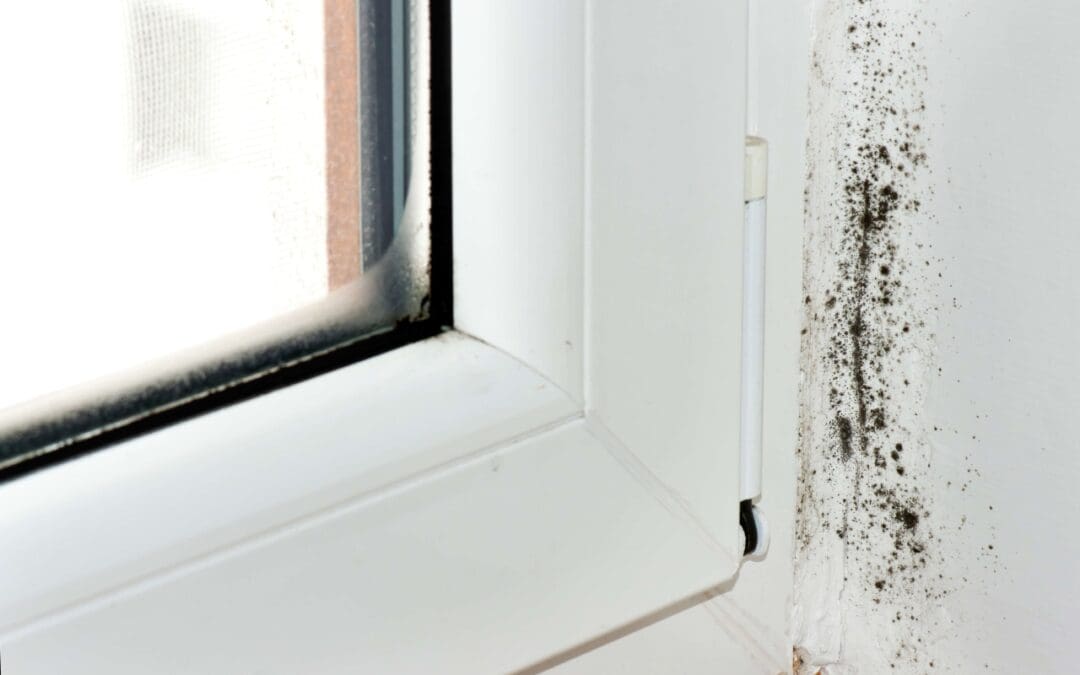
One common belief is that mold only grows in old, poorly maintained homes. In reality, mold can develop in any home where moisture is present, regardless of age or condition. New construction, renovated homes, and well-maintained properties may all experience mold growth if moisture becomes trapped. Another misconception is that mold is always visible. While some mold appears as dark spots or discoloration, much of it grows out of sight. Mold frequently develops behind drywall, under carpets, inside HVAC systems, or within crawlspaces. Relying solely on what can be seen may allow a problem to grow unchecked.
Mold Myths About Smell and Health
Many homeowners believe that mold will always produce a strong, musty odor. While odors are common, not all mold growth is easily detectable by smell. Some types produce very little odor, especially in early stages. Assuming there is no mold because nothing smells unusual could lead to missed warning signs. Health-related myths about mold are also common. Some people assume mold only affects individuals with allergies or asthma. While sensitive individuals may experience symptoms sooner, prolonged exposure to elevated mold levels could affect anyone. Respiratory irritation, headaches, and other symptoms can occur even in people without a known sensitivity.
Cleanup and DIY Solutions
A widespread misconception is that bleach alone will solve mold problems. While bleach may remove surface staining on non-porous materials, it does not effectively address moisture sources or penetrate porous materials. Mold often returns if the underlying conditions are not corrected. Another myth is that small mold issues are harmless and do not require attention. Even limited mold growth indicates excess moisture, which can lead to structural damage or more severe problems over time. Addressing moisture is just as important as removing visible mold.
Mold Testing and Prevention
Some homeowners believe mold testing is unnecessary unless there is visible mold. In reality, testing helps identify hidden issues, confirms indoor air quality concerns, and establishes a baseline for future comparison. Testing is particularly useful when there are unexplained odors, health symptoms, or a history of moisture problems. There is also a belief that once mold is removed, it will never return. Mold spores are naturally present in the environment, and prevention primarily depends on controlling moisture rather than eliminating them completely. Managing humidity, ventilation, and water intrusion is key to long-term prevention.
Why Knowing Myths About Mold Matters
Believing myths about mold may lead to delayed action, improper cleanup, or unnecessary fear. Accurate information empowers homeowners to respond appropriately and prioritize prevention. Mold issues are manageable when approached with knowledge and a focus on moisture control. By understanding how mold actually behaves, homeowners will take practical steps to protect their homes. This includes addressing leaks promptly, maintaining proper ventilation, and monitoring humidity levels. Education replaces uncertainty with confidence, helping homeowners make informed decisions.
Frequently Asked Questions (FAQs)
Is all mold dangerous to health?
Not all mold is equally harmful; however, prolonged exposure to elevated mold levels could lead to health issues. It is best to address mold regardless of type.
Can mold grow without water?
No. Mold requires moisture to grow. Controlling moisture is the most effective way to prevent mold.
Does painting over mold fix the problem?
No. Painting over mold hides it temporarily but does not remove it or address the moisture source.
Will opening windows eliminate mold?
Improved ventilation can help reduce humidity, but it will not eliminate existing mold or fix moisture intrusion issues.
Is mold a sign of poor housekeeping?
No. Mold growth is related to moisture, not cleanliness. Even well-kept homes could develop mold problems.
Best Choice Inspections offers mold testing in Knoxville, TN, and the surrounding area. Contact us to schedule an appointment.
Recent Comments